Our Commitment to Sustainable Tourism and Emissions Reduction
Sustainable Tourism at HeliSpirit
HeliSpirit is proud to operate under Ecotourism Australia’s certification program, one of the world’s leading frameworks for sustainable tourism, recognised by the Global Sustainable Tourism Council. We have held this certification since 2002 and are recognised as a Green Travel Leader.
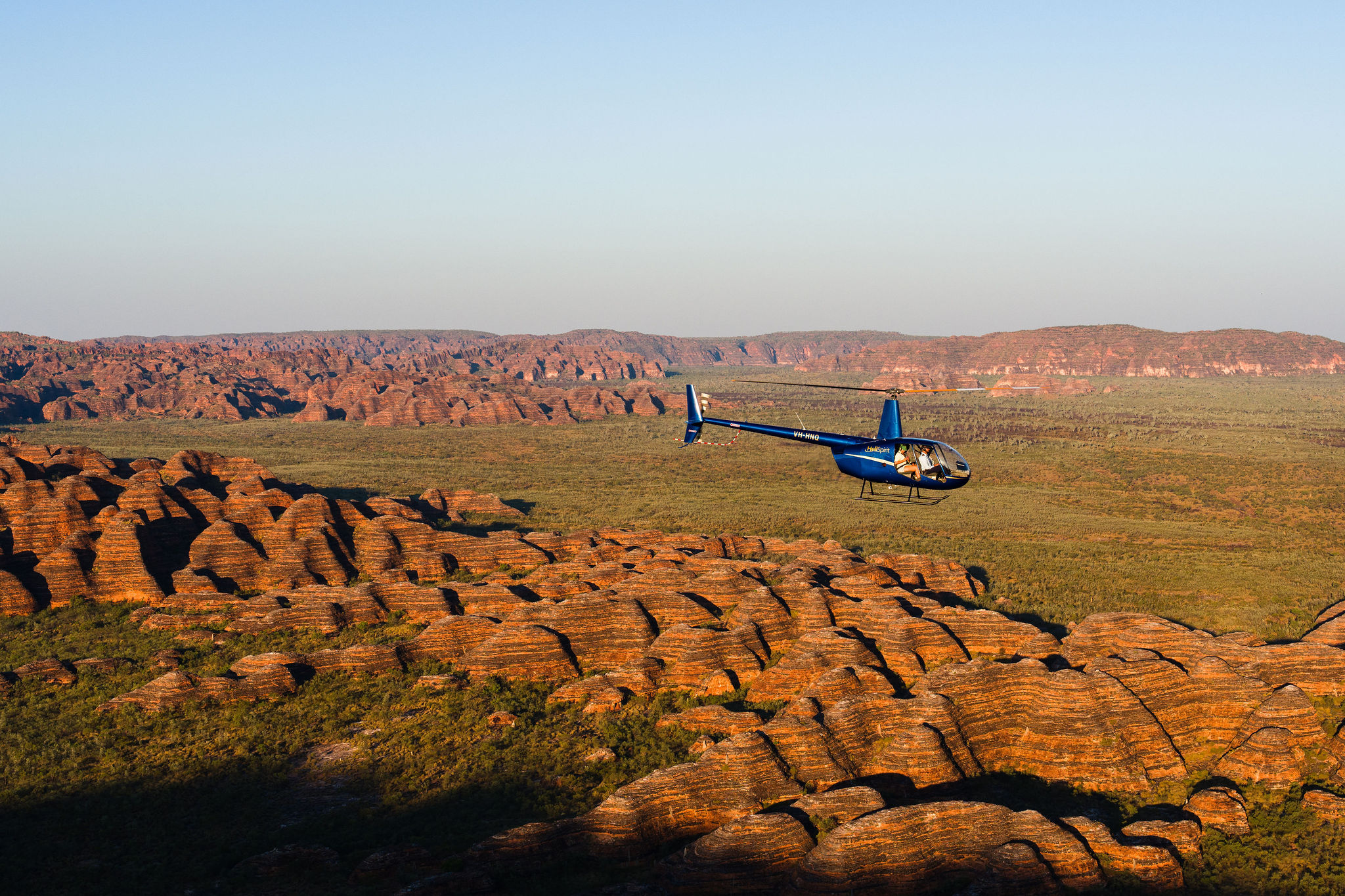
We are fortunate to work across some of Australia’s most remarkable and remote destinations. With that privilege comes responsibility to protect the natural landscapes we operate in, respect and share cultural heritage appropriately, and support the wellbeing of the communities we work alongside.
Our approach to ecotourism includes reducing our environmental footprint, conserving resources in remote locations, and protecting sensitive ecosystems, while continuing to deliver meaningful and high-quality experiences for our guests.
HeliSpirit is proud to have been certified through Ecotourism, Australia’s world-leading ecotourism certification program, approved by the Global Sustainable Tourism Council, since 200
Through our certification, we demonstrate a long-term commitment to:
- Minimising our impact on the environments we operate in.
- Supporting conservation outcomes in remote and protected areas.
- Working respectfully with Traditional Owners and local communities.
- Providing informative, engaging experiences that build awareness of the natural environment.
- Continuously improving how we manage resources, waste and emissions.
Emissions Reduction
As part of our ongoing commitment, HeliSpirit has joined the Tourism Emissions Reduction Program, supported by Tourism Council WA and Carbon Halo.
This marks an important next step for us in building on the work we already do and taking a more structured approach to measuring and reducing our emissions.
View our Emissions Reduction Dashboard
Commitment to Sustainability
We know that operating in remote and remarkable environments comes with responsibility.
Our focus is simple:
- Measure what matters
- Reduce where we can
- Be transparent about the work ahead
We are proud of the progress we have made and committed to continuing to improve in a way that is practical, responsible, and grounded in the realities of regional aviation.
What We Are Focusing On
Our approach is focused on practical improvements across the areas where we can make the biggest difference:
Flying more efficiently
Continuing to optimise routes, reduce unnecessary flying, and make the most of every flight through strong load factors and careful planning.
Exploring lower-emissions alternatives
Investigating future opportunities such as sustainable aviation fuel and more efficient aircraft technologies as they become viable.
Reducing energy use at our bases
We continue to refine how energy is generated and used across our remote bases, with a focus on practical efficiency improvements alongside safety and operational requirements. This includes:
- Monitoring generator hours and fuel use to identify opportunities to reduce run time.
- Prioritising solar generation where available and adjusting operations to make the most of this capacity.
- Managing power demand by coordinating energy-intensive activities and avoiding unnecessary load.
- Maintaining and upgrading equipment to ensure efficient performance in remote environments.
Minimising waste and improving resource use
Reducing waste, improving recycling, and ensuring materials are transported and used responsibly in remote locations.
Working with our partners
We work closely with suppliers, destinations and operating partners to support more efficient and responsible travel experiences, particularly in remote regions where logistics play a significant role. We prioritise working relationships that support practical outcomes such as:
- Coordinated scheduling to reduce unnecessary travel and duplication of services.
- Maximising passenger loads across flights and tours where possible.
- Reducing unnecessary freight and improving how material is transported into remote areas.
- Sharing operational knowledge to support more efficient practices across the broader travel experience.
Educating our team and our guests
Sharing information about the environments we operate in and the practical environmental steps that help protect them. This is an ongoing process. Some actions are already in place, others are being trialed, and some are longer-term as technologies evolve, particularly in aviation.